Frame the opportunity
Map the current workflow with the process owner. Agree the users, constraints, source material and what a useful result would look like.

Company
A clear path from business context to working software, with ownership at every stage.
Your context. One connected team.
A clear path from business context to working software, with ownership at every stage.
Understand the work. Agree the starting point.
Test a focused idea with real examples.
Connect the system. Review it together.
Hand over clearly. Learn from everyday use.
Scope, milestones and operating responsibilities agreed together.
The work, in detail
Map the people, records and systems involved. Agree the business question, dependencies, constraints and what a useful result would look like.
Test one bounded workflow with representative examples. Review the exceptions and correction effort alongside the intended benefit.
Agree integration contracts, access controls, acceptance criteria and release responsibilities. Keep business and technology owners involved in working reviews.
Define monitoring, incident handoffs, documentation and a review cadence. Support terms and service commitments are agreed for each engagement.
What takes shape
Final scope is agreed after discovery. These are the working outputs we can shape around your context.
Map the current workflow with the process owner. Agree the users, constraints, source material and what a useful result would look like.
Connect design, engineering and domain review. Demonstrate complete slices of work with exception handling rather than isolated screens or model responses.
Agree acceptance, release and support responsibilities. Hand over configuration, known limitations, recovery procedures and a practical improvement backlog.
A connected delivery path
Map the people, records and systems involved. Agree the business question, dependencies, constraints and what a useful result would look like.
Test one bounded workflow with representative examples. Review the exceptions and correction effort alongside the intended benefit.
Agree integration contracts, access controls, acceptance criteria and release responsibilities. Keep business and technology owners involved in working reviews.
Define monitoring, incident handoffs, documentation and a review cadence. Support terms and service commitments are agreed for each engagement.
Prepare for a useful conversation
Prepare current workflow and representative examples and business constraints and priorities. Start with approved or synthetic examples and identify gaps before introducing live records.
Involve business sponsors, product owners and delivery leads. Identify who can confirm the workflow, review an exception and accept a release.
Define how you will assess evidence against the agreed acceptance baseline. Record the current process and include difficult cases in the review set.
Discovery, delivery and operation
Choose a delivery track that fits the uncertainty. Discovery should reduce the unknowns, a pilot should test a bounded opportunity and a production release should arrive with clear operating ownership.
Map the current workflow with the process owner. Agree the users, constraints, source material and what a useful result would look like.
Connect design, engineering and domain review. Demonstrate complete slices of work with exception handling rather than isolated screens or model responses.
Agree acceptance, release and support responsibilities. Hand over configuration, known limitations, recovery procedures and a practical improvement backlog.
Define success before delivery
Choose a representative sample, record the current baseline and agree who accepts the result. These are evaluation criteria to discuss, rather than promised outcomes.
Evidence against the agreed acceptance baseline
Visibility of risks, dependencies and decisions
Readiness of users and operational owners
Timelines and team structure follow the agreed scope. Examples of project stages should not be treated as a promise that every engagement follows the same schedule.
Inside How We Deliver
Approved source material
Integration scope to confirm
Outputs to agree in discovery
From the project library
Explore the product patterns and operating context relevant to how we deliver. Each profile explains its own scope and stage; adjacent examples do not imply the same solution has already been delivered.
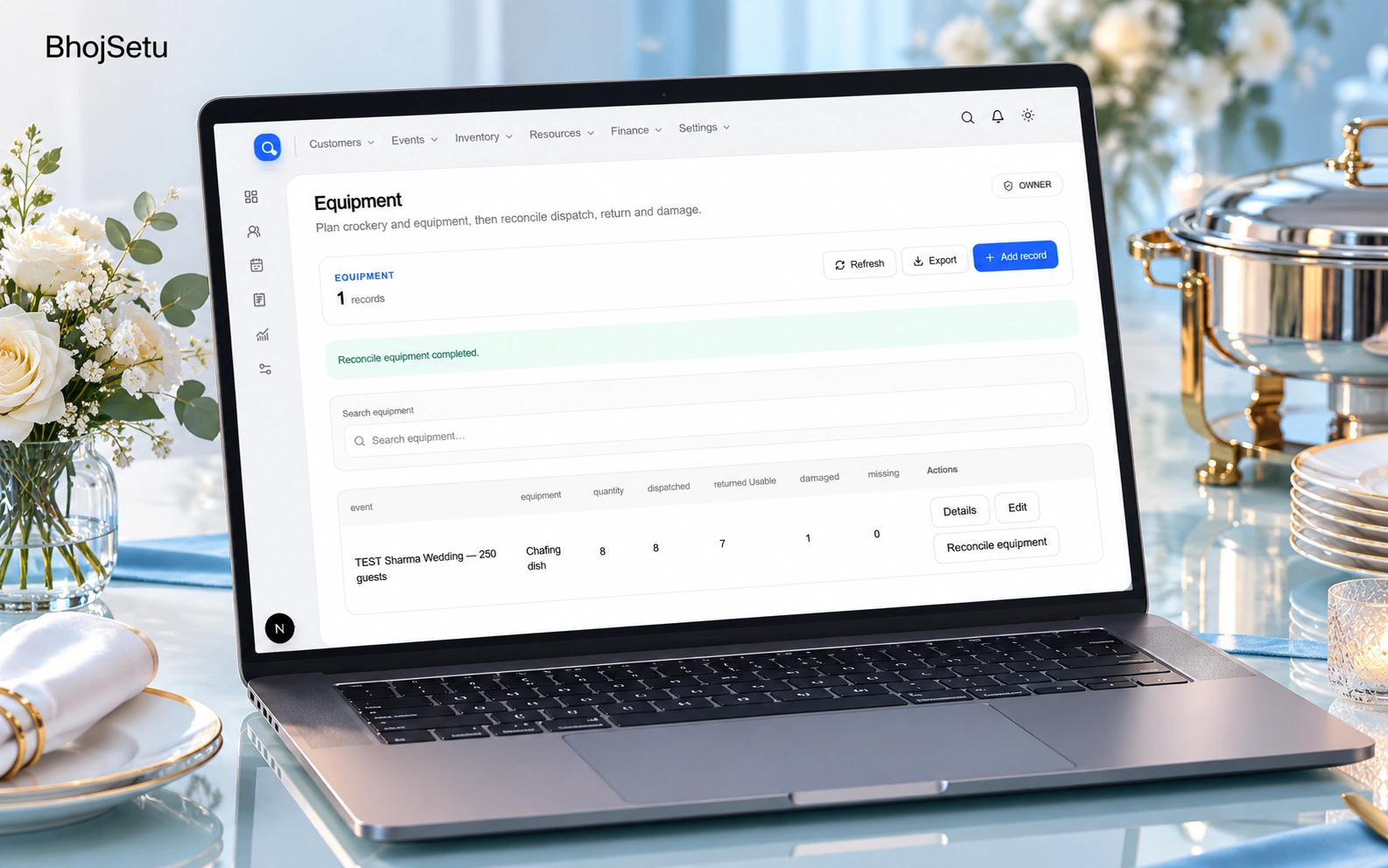
Pilot · AI presentation artwork · screen reference
A connected catering workspace brings bookings, menus, recipe scaling, procurement, workers, equipment and billing into one flow.
Catering teams repeat event, menu, quantity and payment data across disconnected operational steps.
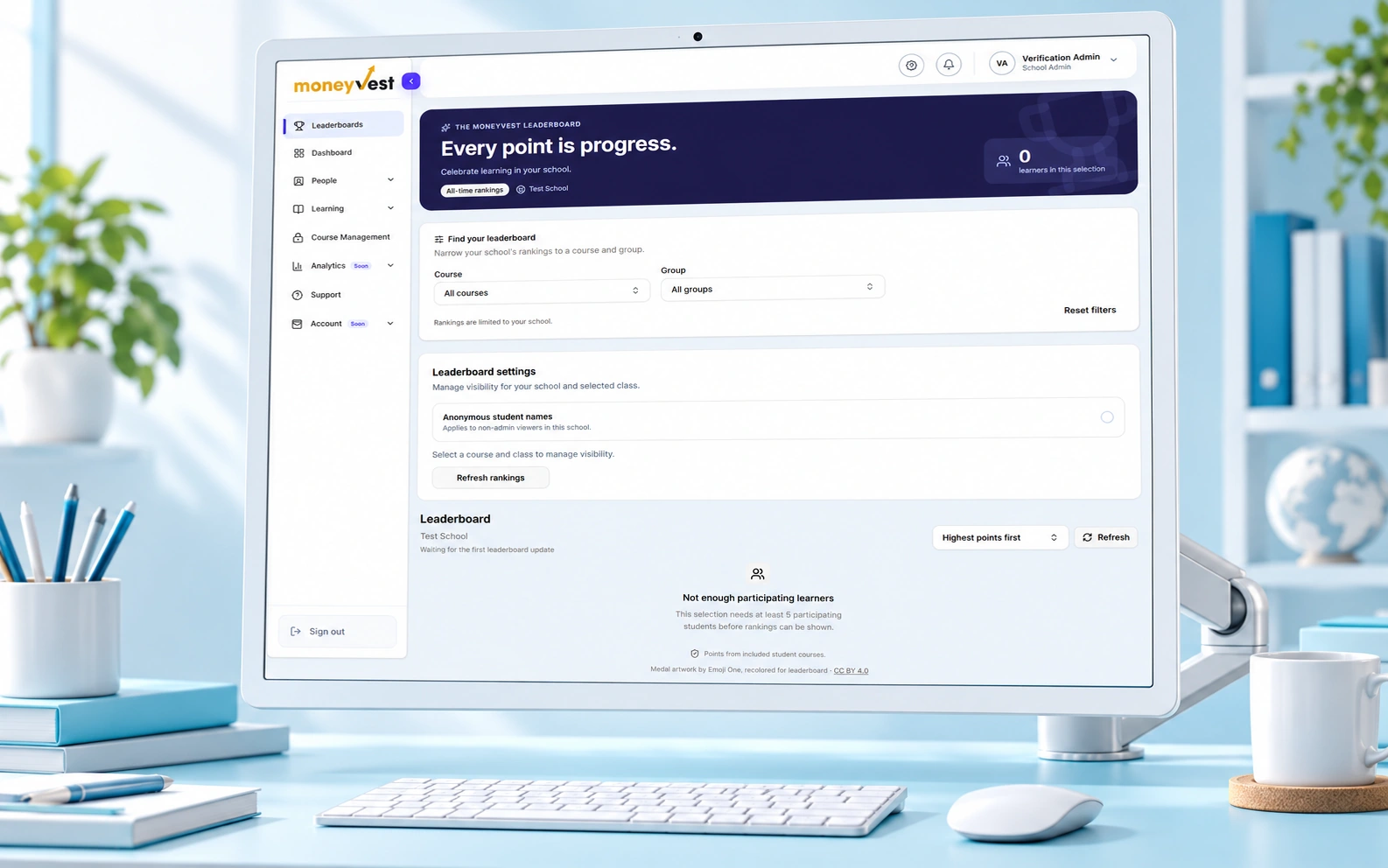
In development · AI presentation artwork · screen reference
A branded administration frontend organizes course structures, content attachments and certificate layout workflows.
Learning administrators need a tailored interface for maintaining courses, modules, media and certificates.

Website · AI presentation artwork · screen reference
A storefront frontend groups product browsing, search, cart, checkout, account and order screens.
A retail business needs a branded shopping journey that connects discovery, checkout and post-purchase access.
Project profiles describe their available scope and development stage. Interface captures, documentation and workflow concepts are labelled separately; they are not claims of measured business results.
Before we begin
Yes. Bring the workflow, its owner and a few representative examples. Discovery turns that context into a scoped decision and an implementation proposal.
Estimates follow an assessment of scope, integrations, data readiness and acceptance requirements. Dependencies and assumptions should be visible rather than hidden in a single date.
Review the impact on scope, cost, dependencies and acceptance before approving a change. Working reviews let the team identify useful changes while preserving delivery clarity.
Agree support coverage, monitoring, incident ownership and improvement priorities. Ongoing support is scoped separately; no universal response time is promised on this page.