
Expertise
Cybersecurity
Review application security, access controls and operational risks with clear assessment and remediation ownership.
Cybersecurity
Review application security, access controls and operational risks with clear assessment and remediation ownership.
Built around your operating context
Technology owners, security reviewers and operational decision makers
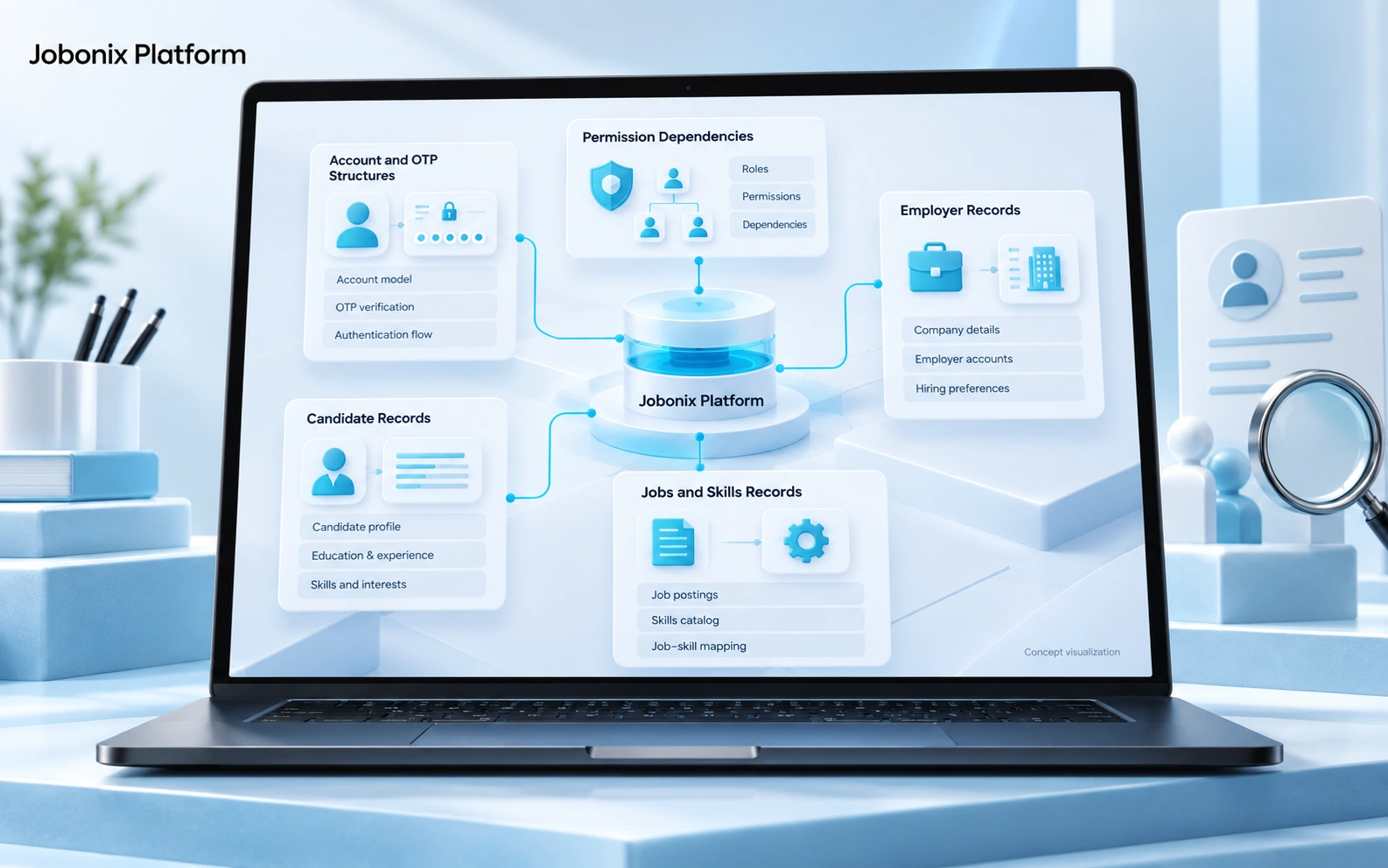
Backend platform · AI concept visualization · project scope
Jobonix Platform
Recruitment data models · Account and OTP structures · Employer and candidate records
Security and responsible operation
Make the boundaries part of the system.
Access and data boundaries
Map roles to records and actions.
Explore the approach
Map roles to records and actions. Review authentication, least-privilege access, session behaviour and how sensitive data appears in logs and exports.
Abuse and failure scenarios
Test untrusted inputs, forged requests, unexpected tool output and repeated actions.
Explore the approach
Test untrusted inputs, forged requests, unexpected tool output and repeated actions. Agree rate limits, safe defaults and escalation ownership.
Operational readiness
Review deployment configuration, secrets handling, backups, logging and incident contacts.
Explore the approach
Review deployment configuration, secrets handling, backups, logging and incident contacts. Exercise recovery before a service depends on the new workflow.
Choose what your project needs
A clear scope.
A useful result.
Define the review scope
Map the applications, APIs, infrastructure and data involved. Agree authorized access, assessment boundaries and the owners responsible for reviewing findings.
Cybersecurity & risk review
Review the controls relevant to the system, prioritize supported findings and track remediation against agreed acceptance criteria.
Application & API Security
Review authorized application boundaries, authentication, data access and important failure paths. Prioritize supported findings with remediation and verification ownership.
Cloud Security & Access Controls
Assess which roles and services can access cloud resources and data. Agree least-privilege changes, review ownership and recovery implications before implementation.
Security Assessments & Remediation
Define the assessment scope and permission to inspect each target. Keep evidence, severity reasoning and remediation verification together for review.
Security operations
Agree monitoring needs, access-review responsibilities and incident handoffs appropriate to the systems in scope.
Security Monitoring & Alerts
Identify which events are useful to the operating team and how they will be investigated. Agree alert ownership and reduce noise through representative examples.
Access Reviews
Map users, roles and service identities to the access they need. Review exceptions and establish who approves and records access changes.
Incident Readiness
Clarify who responds, what evidence is retained and how issues are escalated. Review the runbook against realistic scenarios and the organization’s operating constraints.
Connect findings to action
Agree remediation responsibilities, verification steps and operational handoffs. Assessment scope, incident support and any contractual obligations are defined for each engagement.
In project context
The work behind the possibilities.
AI concept visualization · project scope
Recruitment · Backend platform
Jobonix Platform
Recruitment data models · Account and OTP structures · Employer and candidate records
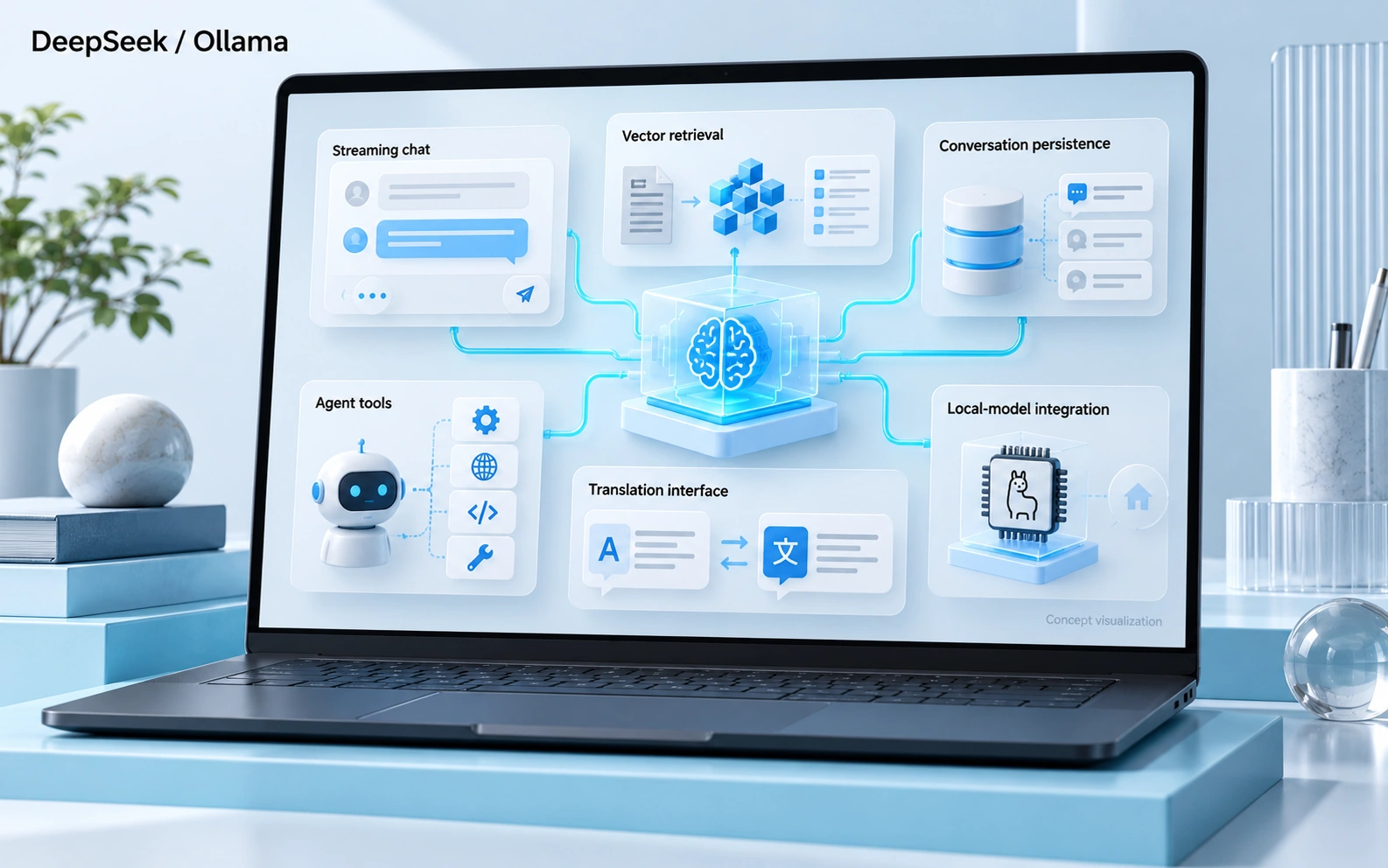
AI concept visualization · project scope
Knowledge management · Application
DeepSeek / Ollama
Streaming chat · Vector retrieval · Conversation persistence

AI concept visualization · project scope
Procurement · Prototype
ProcureOS AI
Command-center intake · ERP-context fixtures · Vendor shortlisting
Each project has its own scope and stage. Explore the profile for implementation details.
The path from idea to operation
Start focused.
Build with clarity.
- 01
Scope
Establish the source records and the intended result.
- 02
Assess
Connect the approved sources and apply the task-specific checks.
- 03
Remediate
Review representative outputs and exceptions with the accountable owner.
- 04
Verify
Record the outcome, hand work to the responsible team and retain the information needed to investigate or improve the next run.
Deliverables & evaluation
What takes shape
Testable access and data boundaries
Map roles to records and actions. Review authentication, least-privilege access, session behaviour and how sensitive data appears in logs and exports.
Risk and remediation review records
Test untrusted inputs, forged requests, unexpected tool output and repeated actions. Agree rate limits, safe defaults and escalation ownership.
Security and recovery acceptance checks
Review deployment configuration, secrets handling, backups, logging and incident contacts. Exercise recovery before a service depends on the new workflow.
Know what good looks like
- Control coverage against agreed risks
- Unauthorised-action rejection and audit completeness
- Recovery readiness and unresolved remediation ownership
Application examples demonstrate relevant design considerations, not independent security certification, a penetration-test result or a compliance guarantee.
Bring the context. We’ll shape the next step.
From your world.
Into a working plan.
Source material
- Role and data-flow maps
- Critical assets and abuse scenarios
- Existing controls and known gaps
- Release and incident responsibilities
Systems to connect
- Identity and authorisation systems
- Application and infrastructure logs
- Approved monitoring and incident tools
Useful outputs
- Testable access and data boundaries
- Risk and remediation review records
- Security and recovery acceptance checks
Readiness checklist
Representative source material
Prepare role and data-flow maps and critical assets and abuse scenarios. Start with approved or synthetic examples and identify gaps before introducing live records.
The right people in the room
Involve technology owners, security reviewers and operational decision makers. Identify who can confirm the workflow, review an exception and accept a release.
An agreed evaluation baseline
Define how you will assess control coverage against agreed risks. Record the current process and include difficult cases in the review set.
Good questions.
Clear answers.
What should we bring to a first conversation?
Bring role and data-flow maps, critical assets and abuse scenarios, existing controls and known gaps, release and incident responsibilities. Include a person who knows the current process and can explain the difficult cases. An outline or synthetic example is sufficient for the first conversation.
What would the first release include?
Agree one bounded journey during discovery. A possible first output is testable access and data boundaries, supported by a clear review owner and acceptance examples. Risk and remediation review records and Security and recovery acceptance checks can be scoped where the operating case supports them.
Can this work with our existing systems?
We first review the available interfaces and access rules for identity and authorisation systems, application and infrastructure logs, approved monitoring and incident tools. An initial engagement can use approved exports where a direct integration is unavailable. Live updates require an agreed permission model and recovery path.
How are results and release readiness reviewed?
Agree examples, failure cases and acceptance criteria before the build. Review source traceability, correction effort, access boundaries and the handover into everyday operations. We do not promise a fixed saving or performance figure before that assessment.
The next useful step