Map the current system
Inventory critical journeys, data stores, APIs and deployment dependencies. Identify hidden manual steps and integrations that may not appear in the source code.

Improve an existing system while protecting the workflows and records people already depend on.
The work, in detail
Map integrations, data dependencies, business rules and operational constraints before choosing a migration approach.
Use a staged rollout with verification and a rollback plan.
Use assess compatibility and data quality within the agreed scope of migration & modernize. Define the responsible owner, the relevant source records and the checks that make the output useful.
Use test migration with representative records within the agreed scope of migration & modernize. Define the responsible owner, the relevant source records and the checks that make the output useful.
Use reconcile results and review with users within the agreed scope of migration & modernize. Define the responsible owner, the relevant source records and the checks that make the output useful.
Agree the cutover window, support ownership and monitoring needed to identify problems early.
What takes shape
Final scope is agreed after discovery. These are the working outputs we can shape around your context.
Inventory critical journeys, data stores, APIs and deployment dependencies. Identify hidden manual steps and integrations that may not appear in the source code.
Compare incremental replacement, targeted refactoring and a wider rebuild. Define compatibility, data validation and the ability to roll back a release.
Reconcile representative records and exercise old and new journeys. Confirm operational ownership before retiring the previous path.
A connected delivery path
Prepare for a useful conversation
Prepare current architecture and dependency inventory and critical journeys and data contracts. Start with approved or synthetic examples and identify gaps before introducing live records.
Involve application owners, engineering leads and operational stakeholders. Identify who can confirm the workflow, review an exception and accept a release.
Define how you will assess data reconciliation and migration completeness. Record the current process and include difficult cases in the review set.
Modernisation without losing operating context
Start by understanding what the existing system does, who depends on it and which interfaces must remain stable. Modernisation should follow evidence about risk and value, not a rewrite by default.
Inventory critical journeys, data stores, APIs and deployment dependencies. Identify hidden manual steps and integrations that may not appear in the source code.
Compare incremental replacement, targeted refactoring and a wider rebuild. Define compatibility, data validation and the ability to roll back a release.
Reconcile representative records and exercise old and new journeys. Confirm operational ownership before retiring the previous path.
Define success before delivery
Choose a representative sample, record the current baseline and agree who accepts the result. These are evaluation criteria to discuss, rather than promised outcomes.
Data reconciliation and migration completeness
Compatibility of critical integrations
Rollback readiness and user acceptance
The linked portfolio shows relevant platform and integration patterns. It does not establish a completed migration or a quantified modernisation outcome for each example.
From the project library
Explore the product patterns and operating context relevant to migration & modernize. Each profile explains its own scope and stage; adjacent examples do not imply the same solution has already been delivered.
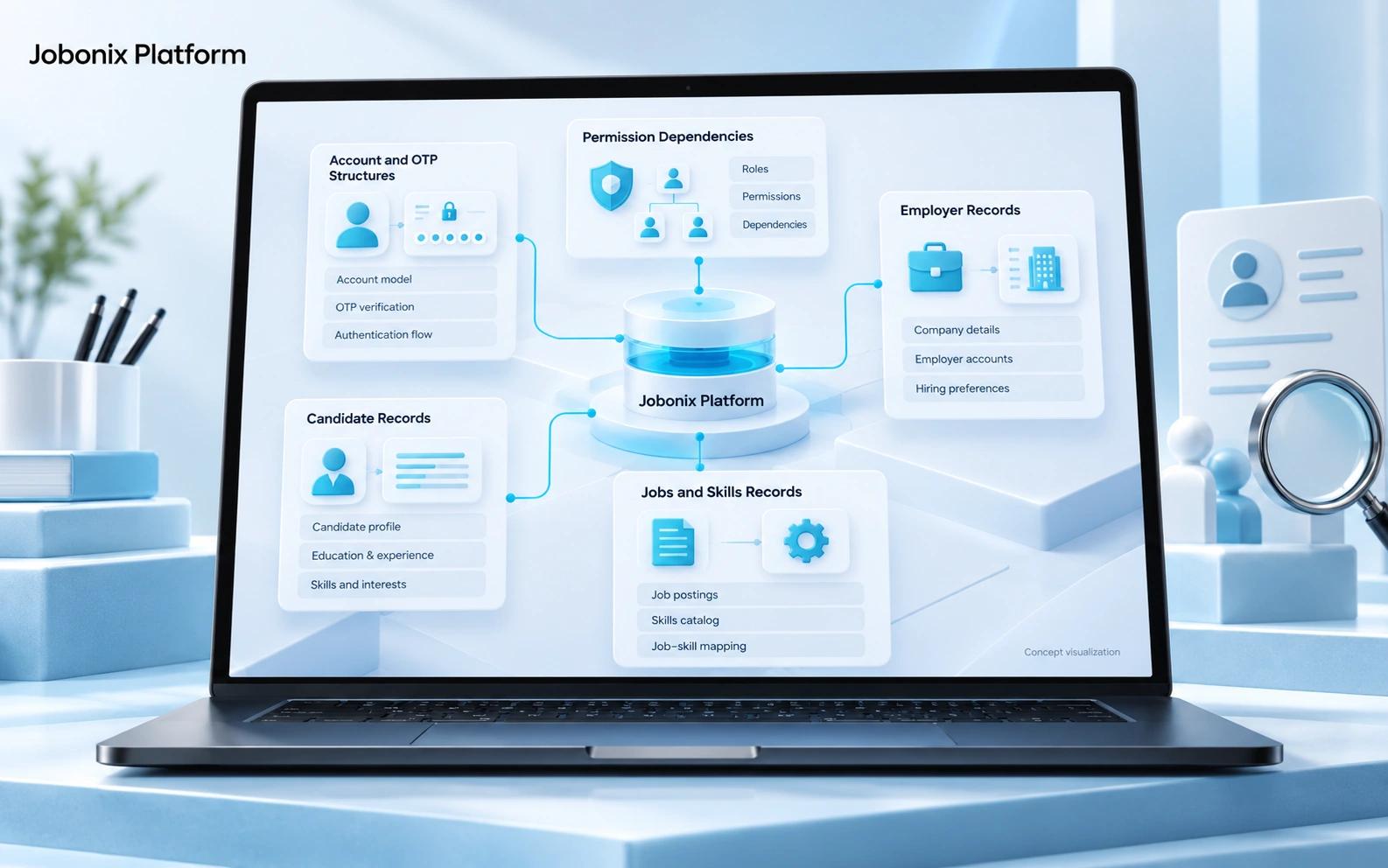
Backend platform · AI concept visualization · project scope
A Laravel backend models employer and job-seeker profiles, job records, skills, education and account access.
A hiring platform needs shared records for employers, candidates, jobs and access permissions.
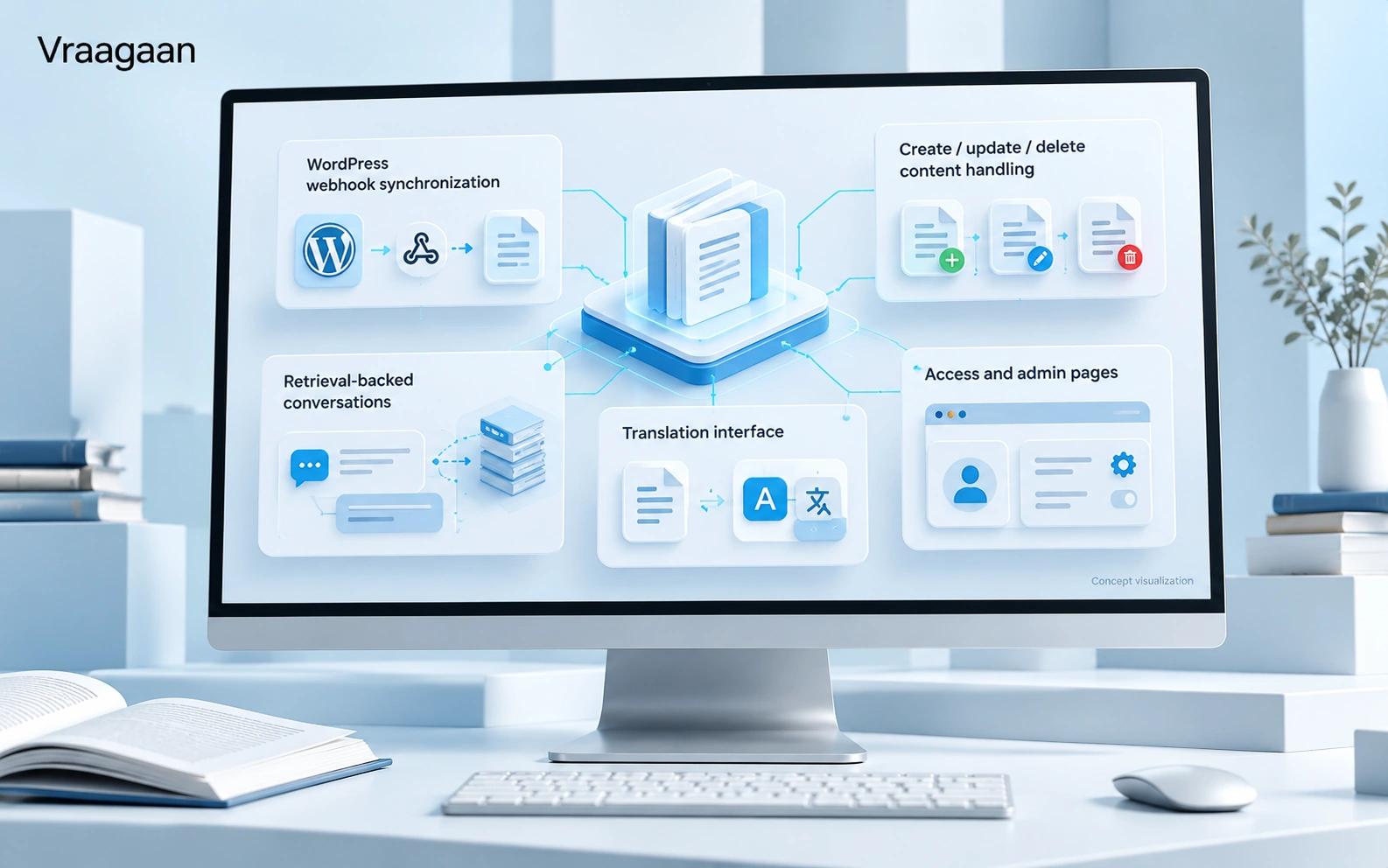
Application · AI concept visualization · project scope
A retrieval application synchronizes WordPress events with article records and vector search storage.
A conversational knowledge service can become stale when published articles change or are removed.
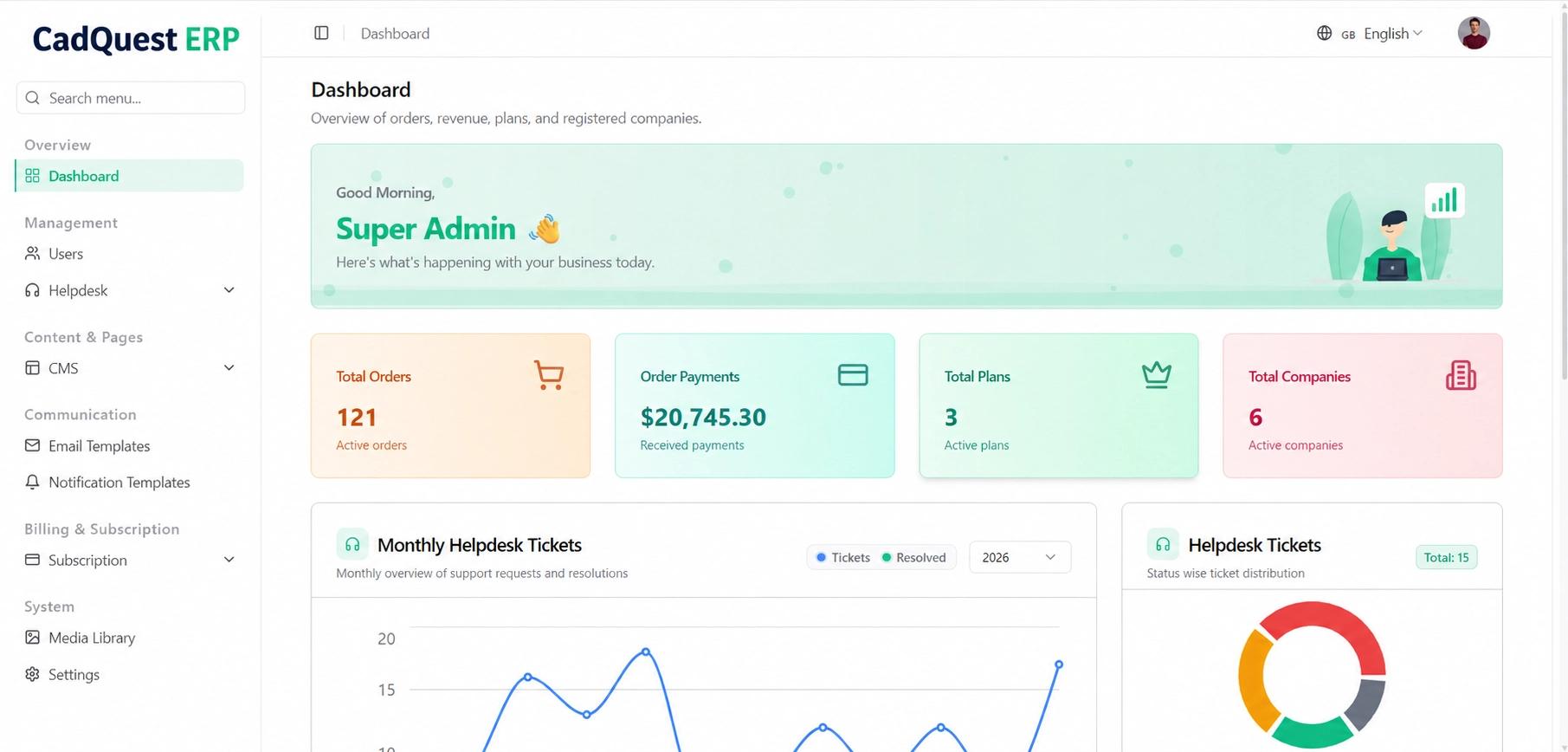
Application · CadQuest ERP · branding-edited preview
A Laravel ERP source tree groups commercial, accounting, employee and project modules around shared business records.
Finance, HR, sales and project records become fragmented when departments use separate spreadsheets and tools.
Project profiles describe their available scope and development stage. Interface captures, documentation and workflow concepts are labelled separately; they are not claims of measured business results.
Before we begin
Bring current architecture and dependency inventory, critical journeys and data contracts, migration and compatibility constraints, recovery and transition acceptance criteria. Include a person who knows the current process and can explain the difficult cases. An outline or synthetic example is sufficient for the first conversation.
Agree one bounded journey during discovery. A possible first output is a risk-based modernisation roadmap, supported by a clear review owner and acceptance examples. Validated transition and reconciliation checks and Release, rollback and operational handover plans can be scoped where the operating case supports them.
We first review the available interfaces and access rules for existing application and data interfaces, target platform and migration tooling, monitoring, backup and release environments. An initial engagement can use approved exports where a direct integration is unavailable. Live updates require an agreed permission model and recovery path.